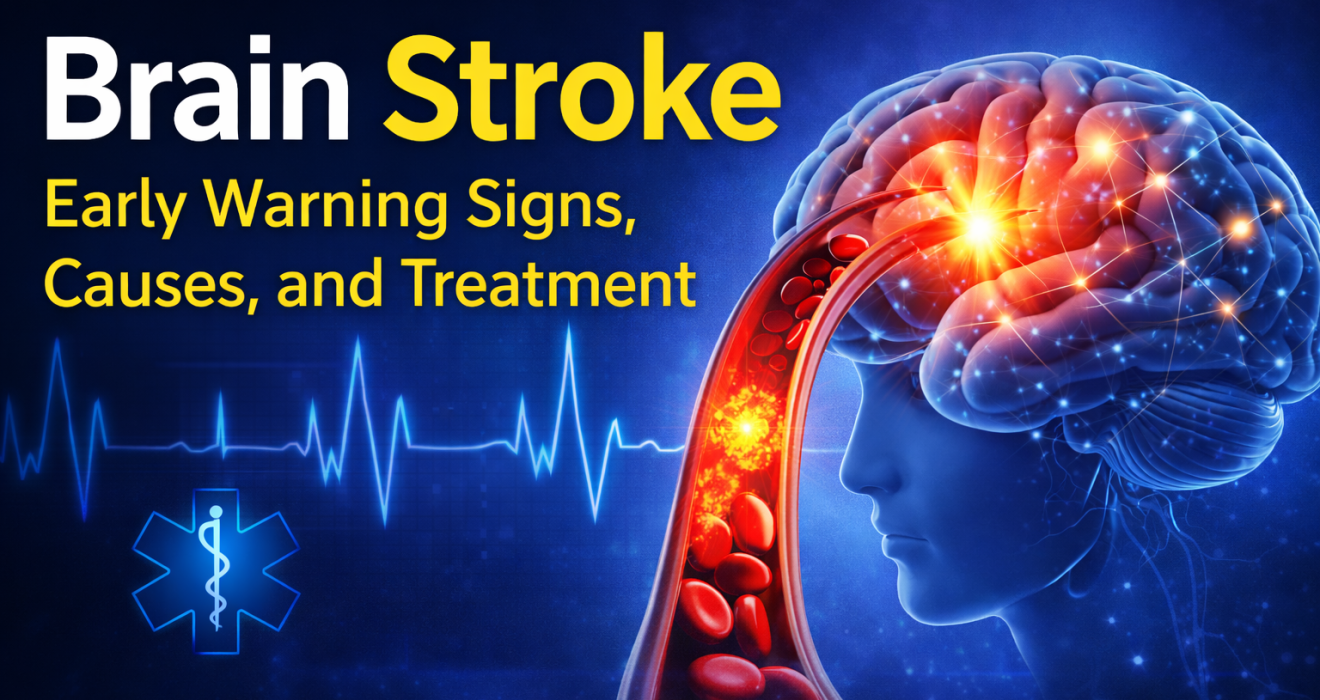
Brain Stroke: Early Warning Signs, Causes, and Treatment
Brain Stroke: Early Warning Signs, Causes, and Treatment
A brain stroke is a serious medical condition that occurs when the blood supply to a part of the brain is interrupted or reduced. Without proper blood flow, brain cells begin to die within minutes. Immediate medical attention is critical to prevent permanent brain damage or life-threatening complications.
Understanding the warning signs and risk factors can help save lives.
What is a Brain Stroke?
A brain stroke happens when the brain does not receive enough oxygen and nutrients due to a blockage or rupture in a blood vessel. This can affect brain function and may lead to difficulties with movement, speech, memory, or other neurological functions.
There are two main types of stroke:
1. Ischemic Stroke
This is the most common type and occurs when a blood clot blocks a blood vessel in the brain.
2. Hemorrhagic Stroke
This occurs when a blood vessel in the brain ruptures and causes bleeding in the surrounding brain tissue.
Both types require urgent medical treatment.
Early Warning Signs of Stroke
Recognizing the early symptoms of stroke can help patients receive treatment quickly. Common warning signs include:
- Sudden weakness or numbness in the face, arm, or leg (especially on one side of the body)
- Difficulty speaking or understanding speech
- Sudden confusion
- Severe headache with no known cause
- Trouble seeing in one or both eyes
- Difficulty walking, dizziness, or loss of balance
Doctors often use the FAST method to identify stroke symptoms:
- F – Face drooping
- A – Arm weakness
- S – Speech difficulty
- T – Time to seek medical help
If any of these symptoms appear, immediate medical attention is required.
Risk Factors for Stroke
Several health conditions and lifestyle factors increase the risk of stroke:
- High blood pressure
- Diabetes
- Smoking
- High cholesterol
- Heart disease
- Obesity
- Lack of physical activity
- Excessive alcohol consumption
Managing these risk factors can significantly reduce the chances of stroke.
Diagnosis and Treatment
Doctors use advanced imaging tests to diagnose stroke and determine the type and severity of the condition. Common diagnostic tests include:
- CT Scan
- MRI Scan
- Blood tests
- Angiography
Treatment depends on the type of stroke and how quickly the patient receives medical care.
Common Treatment Options
- Medications to dissolve blood clots
- Surgery to remove clots or repair blood vessels
- Rehabilitation therapy to regain movement and speech
- Long-term medication to prevent future strokes
Early treatment can greatly improve recovery and reduce long-term complications.
Prevention Tips
Although stroke can occur suddenly, many cases can be prevented through healthy lifestyle choices:
- Control blood pressure and blood sugar levels
- Maintain a healthy diet
- Exercise regularly
- Avoid smoking and excessive alcohol
- Manage stress
- Regular health checkups
Conclusion
Brain stroke is a medical emergency that requires immediate treatment. Recognizing early symptoms and seeking prompt medical care can save lives and prevent permanent disability.
Maintaining a healthy lifestyle and managing risk factors play a vital role in reducing the chances of stroke and protecting overall brain health.