Slip Disc (Herniated Disc): Causes, Symptoms, and Treatment
Back pain is one of the most common health problems affecting people today. One of the major causes of severe back pain is a slip disc, also known as a herniated disc. This condition can affect daily activities and quality of life if not treated properly. Understanding the causes, symptoms, and treatment options can help patients seek timely medical care.
What is a Slip Disc?
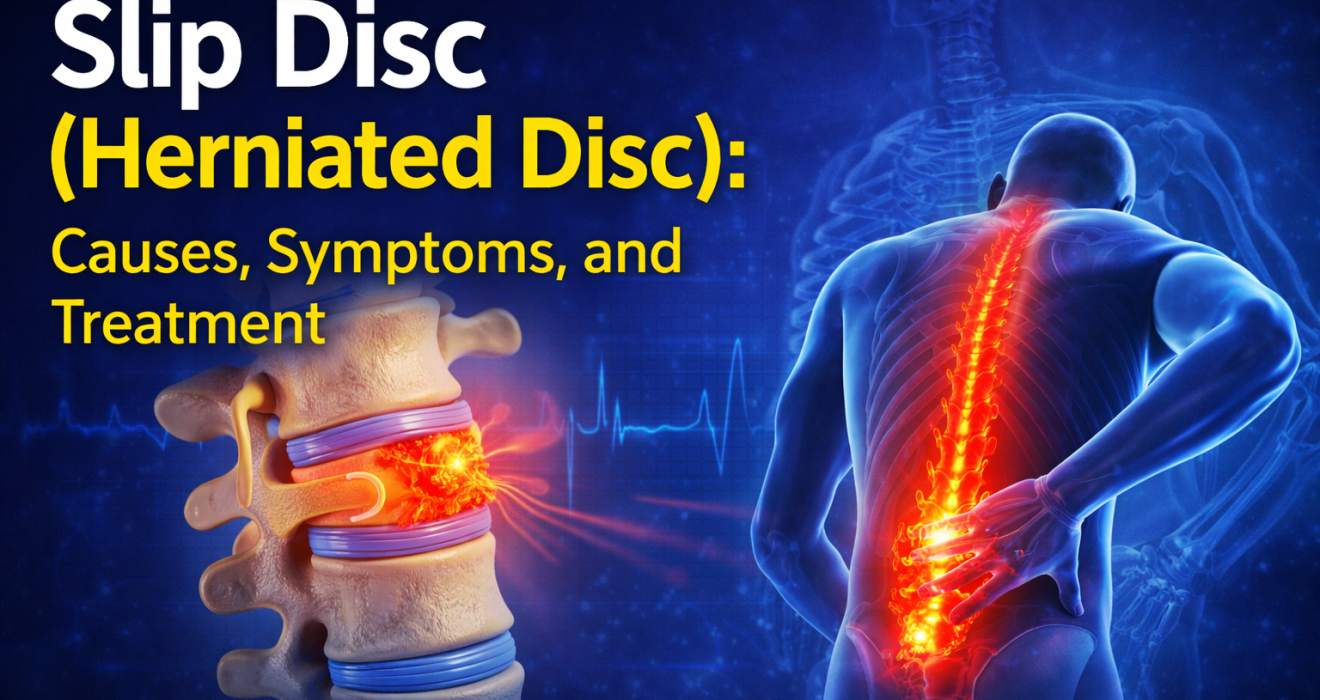
The human spine is made up of bones called vertebrae that are separated by soft cushions known as intervertebral discs. These discs act as shock absorbers and allow flexibility in the spine.
A slip disc occurs when the soft inner portion of the disc pushes through the outer layer. This can put pressure on nearby nerves, causing pain, numbness, or weakness.
Slip discs most commonly occur in the lower back (lumbar spine) or neck (cervical spine).
Common Causes of Slip Disc
Several factors can increase the risk of developing a slip disc, including:
- Aging and natural wear and tear of the spine
- Lifting heavy objects incorrectly
- Poor posture during sitting or standing
- Sudden injuries or accidents
- Repetitive strain on the spine
- Obesity or lack of physical activity
Maintaining good posture and a healthy lifestyle can reduce the risk of spinal problems.
Symptoms of Slip Disc
Symptoms vary depending on the location and severity of the disc problem. Common symptoms include:
- Severe lower back or neck pain
- Pain radiating to arms or legs
- Numbness or tingling sensation
- Muscle weakness
- Difficulty standing, walking, or bending
- Sciatica (sharp pain traveling from the lower back to the leg)
If symptoms persist for several weeks or worsen, medical evaluation is necessary.
Diagnosis
A neurosurgeon may use several methods to diagnose a slip disc, including:
- Physical and neurological examination
- MRI scan
- CT scan
- X-rays
- Nerve conduction studies
These tests help determine the exact location and severity of the problem.
Treatment Options
Most slip disc cases can be treated without surgery. Treatment options may include:
1. Medication
Pain relievers and anti-inflammatory medicines help reduce pain and swelling.
2. Physiotherapy
Exercises and therapy strengthen the spine and improve mobility.
3. Lifestyle Modifications
Maintaining proper posture, weight management, and regular exercise help prevent further damage.
4. Minimally Invasive Spine Surgery
If conservative treatments fail or nerve compression becomes severe, surgery may be recommended to relieve pressure on the nerves.
Modern spine surgery techniques are safer and allow faster recovery for patients.
Prevention Tips
To reduce the risk of slip disc and maintain spinal health:
- Maintain proper posture while sitting and standing
- Avoid lifting heavy objects incorrectly
- Exercise regularly to strengthen back muscles
- Maintain a healthy body weight
- Take breaks during long sitting hours
Conclusion
A slip disc can cause severe discomfort and limit daily activities, but early diagnosis and proper treatment can help patients recover effectively. If you experience persistent back pain, numbness, or weakness, consult a qualified neurosurgeon for proper evaluation and treatment.
Timely medical care and lifestyle changes can greatly improve spinal health and overall well-being.