Understanding Brain Tumors: Symptoms, Causes, and Treatment Options
Brain tumors are one of the most serious neurological conditions affecting the brain and nervous system. Early detection and proper treatment can significantly improve outcomes and quality of life. Understanding the symptoms, causes, and available treatment options can help patients seek medical care at the right time.
What is a Brain Tumor?
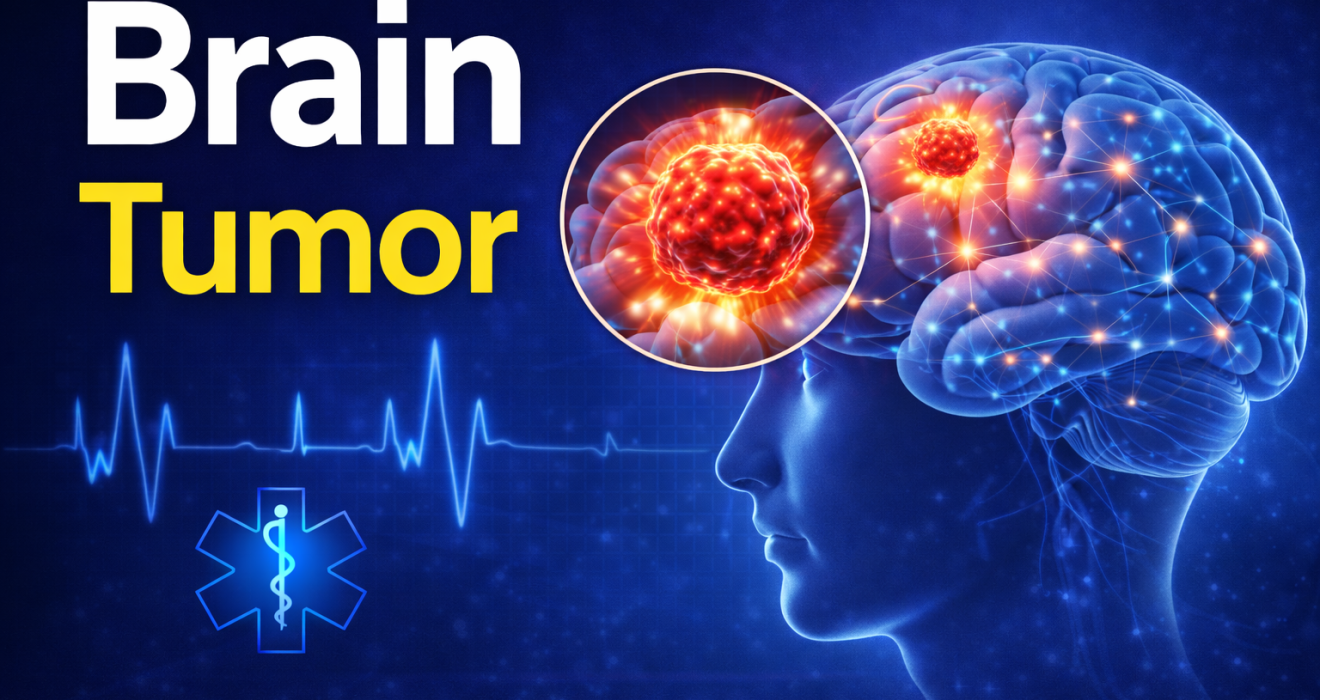
A brain tumor is an abnormal growth of cells in the brain or surrounding tissues. These tumors can be benign (non-cancerous) or malignant (cancerous). Regardless of their type, brain tumors can interfere with normal brain functions and may cause serious health problems if left untreated.
Brain tumors may originate in the brain itself (primary brain tumors) or spread to the brain from other parts of the body (secondary or metastatic brain tumors).
Common Symptoms of Brain Tumors
Symptoms of brain tumors vary depending on the size, type, and location of the tumor. Some of the most common symptoms include:
- Persistent or severe headaches
- Nausea and vomiting
- Seizures
- Difficulty with balance or coordination
- Vision or hearing problems
- Memory loss or confusion
- Weakness or numbness in arms or legs
- Changes in speech or behavior
If these symptoms persist or worsen over time, it is important to consult a neurospecialist immediately.
Causes and Risk Factors
The exact cause of brain tumors is not always known, but several factors may increase the risk:
- Genetic conditions or family history
- Exposure to high levels of radiation
- Certain environmental factors
- Previous cancer that spreads to the brain
While many brain tumors develop without a clear cause, regular medical evaluation can help in early detection.
Diagnosis of Brain Tumors
Doctors use several diagnostic methods to identify brain tumors, including:
- Neurological examination
- MRI (Magnetic Resonance Imaging)
- CT Scan
- Biopsy
- Advanced imaging tests
These tests help determine the tumor’s size, location, and type, which is essential for planning treatment.
Treatment Options
Treatment for brain tumors depends on several factors including tumor type, size, and patient health. Common treatment options include:
1. Surgery
Neurosurgery is often the primary treatment to remove as much of the tumor as possible while protecting healthy brain tissue.
2. Radiation Therapy
High-energy radiation is used to destroy tumor cells that cannot be removed surgically.
3. Chemotherapy
Certain medications may be used to stop or slow the growth of cancer cells.
4. Targeted Therapy
Advanced treatments focus on specific tumor cells while minimizing damage to healthy tissues.
A neurosurgeon carefully evaluates each case to decide the most effective treatment plan.
Importance of Early Treatment
Early diagnosis greatly increases the chances of successful treatment. Many brain tumor patients recover well when the condition is detected and treated in time. Regular health checkups and immediate consultation for unusual neurological symptoms are essential.
Conclusion
Brain tumors can be life-threatening if ignored, but modern medical advancements have significantly improved treatment outcomes. Awareness, early diagnosis, and expert neurosurgical care play a vital role in managing this condition.
If you experience persistent neurological symptoms such as severe headaches, seizures, or vision problems, consult a qualified neurosurgeon for proper evaluation and treatment.